Can Alcohol Affect Anxiety? The Cycle Explained
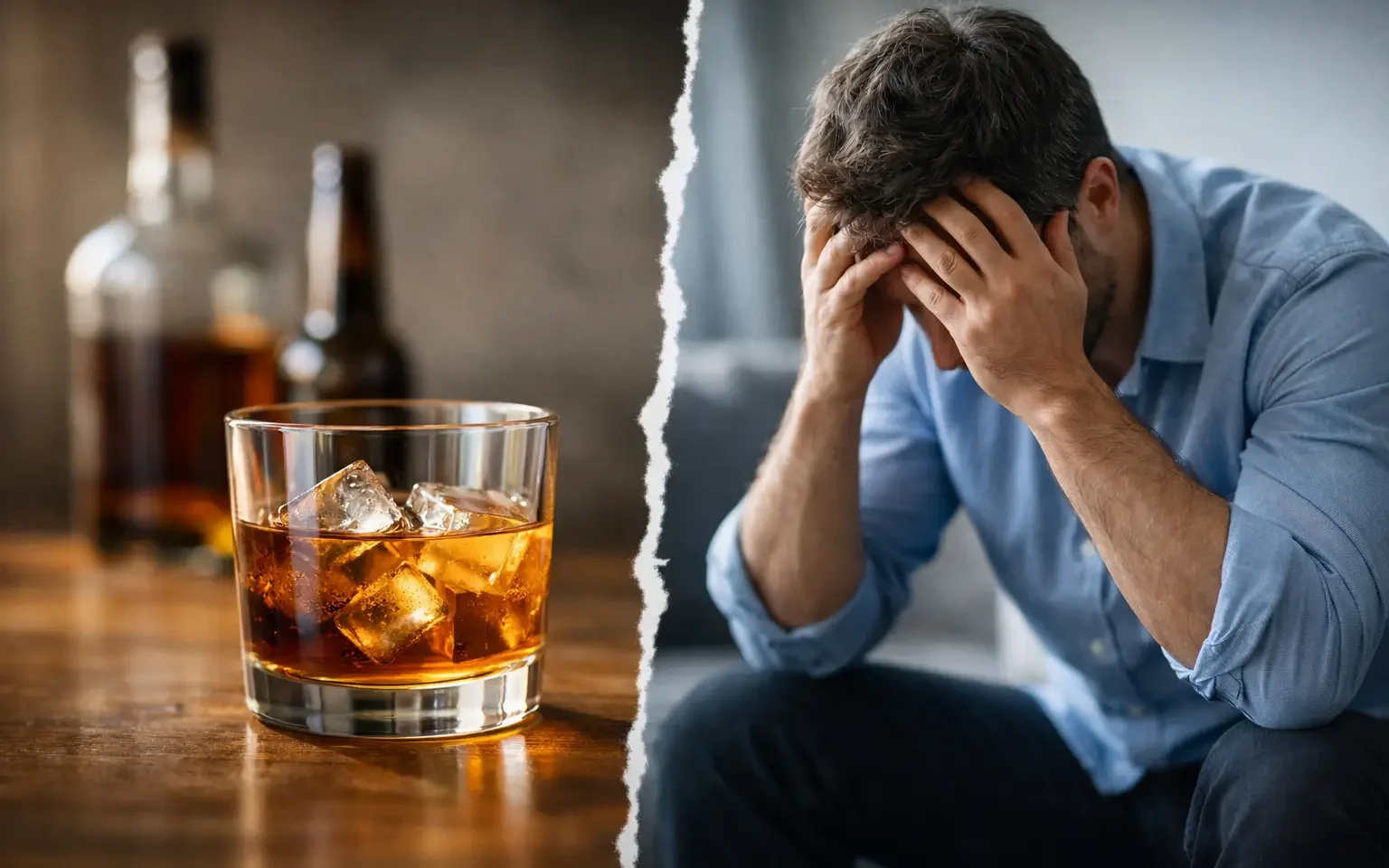
A drink after a demanding day can feel like the quickest way to switch off. For many people, it briefly quietens a racing mind, eases social discomfort or takes the edge off work pressure. But can alcohol affect anxiety beyond that first sense of relief? Yes. While alcohol may reduce tension in the moment, it can also intensify anxiety later that night, the next day and over time.
This does not mean that everyone who drinks has an alcohol problem, or that one social drink will automatically cause anxiety. The relationship is more personal than that. Your amount, timing, sleep, stress levels, physical health and reasons for drinking all matter. Understanding the pattern can give you more choice and practical ways to feel more in control.
Can alcohol affect anxiety in the short term?
Alcohol slows activity in the central nervous system. At first, this can produce a calming or disinhibiting effect. You may feel less self-conscious at a work function, more relaxed after a difficult conversation, or temporarily removed from the pressure of a full inbox and a busy home life.
The difficulty is that this relief is short-lived. As alcohol is processed, the brain works to restore balance. This rebound can leave you feeling more alert, unsettled or emotionally vulnerable than before. For someone already prone to worry, panic, social anxiety or chronic stress, that shift can be particularly noticeable.
Alcohol can also lower inhibitions. You may say more than you intended, send a message you later regret, spend money impulsively or avoid an issue that needs attention. The anxiety the next day is not always purely chemical. Sometimes it is also a realistic response to the consequences of behaviour when judgement was impaired.
Why anxiety can feel worse after drinking
People often describe a familiar experience sometimes called “hangxiety”: a wave of dread, worry, low mood or physical unease after drinking. It can arrive even when nothing obviously went wrong.
Sleep is disrupted
Alcohol may make it easier to fall asleep, but it commonly reduces sleep quality later in the night. It can interrupt restorative sleep, cause earlier waking and leave you tired despite having spent enough hours in bed. Poor sleep makes it harder to regulate emotions, think flexibly and manage ordinary pressure. A small concern can feel much larger when you are exhausted.
Your body can mimic anxiety
The day after drinking, dehydration, a faster heart rate, nausea, shakiness, sweating and low blood sugar can all occur. These sensations overlap with anxiety and panic symptoms. If you are sensitive to physical changes in your body, you may interpret them as a sign that something is seriously wrong, which can increase fear further.
Mood and stress tolerance can dip
Alcohol affects brain chemicals involved in mood and reward. As its effects wear off, some people experience irritability, sadness or a reduced capacity to cope. You may find routine demands – commuting into the CBD, speaking in a meeting, parenting, making decisions or replying to messages – feel unusually hard.
The worry loop gets reinforced
When alcohol becomes the main way to manage anxiety, the brain learns a simple association: anxiety means drink. The immediate relief reinforces the habit, even if the longer-term result is worse sleep, greater anxiety and reduced confidence in your own coping skills. This cycle can develop gradually and is often missed because drinking initially appears to be helping.
Alcohol, panic and social anxiety
Alcohol can be especially complicated for people who experience panic attacks or social anxiety. Someone with social anxiety may drink before networking, dating, presenting or attending a celebration because it makes interaction feel easier. The trade-off is that they may start to believe they cannot cope socially without it.
That belief can quietly shrink confidence. Rather than learning through experience that you can tolerate nerves, speak clearly and recover from awkward moments, alcohol becomes a safety behaviour. It may reduce discomfort in the short term while keeping the underlying fear in place.
For people prone to panic, the physical after-effects of alcohol can be triggering. A pounding heart, dizziness or breathlessness may be interpreted as danger, particularly after a poor night’s sleep. Panic is frightening, but the sensations themselves are not proof that you are losing control. Learning to respond differently to those sensations is often more helpful than trying to eliminate every uncomfortable feeling.
When drinking is becoming part of the problem
A useful question is not simply, “How much am I drinking?” It is also, “What job is alcohol doing for me?” If it has become your regular method for calming down, sleeping, getting through social situations or escaping difficult emotions, it is worth paying attention.
Some signs that the pattern may be affecting anxiety include:
- feeling noticeably more anxious, low or irritable after drinking
- needing alcohol before social, work or stressful situations
- drinking more often or in larger amounts than you planned
- losing sleep, avoiding responsibilities or experiencing relationship tension because of drinking
- feeling unable to relax or cope without a drink.
These signs are not a reason for shame. They are useful information. Many capable, high-functioning people use alcohol to manage sustained pressure until the costs begin to outweigh the relief.
Practical ways to break the anxiety-alcohol cycle
You do not need to make a sweeping promise before you understand your pattern. Start with a short, honest experiment. For two to four weeks, note when you drink, how much you drink, what you were feeling beforehand, how you slept and how your anxiety felt the next day. Patterns tend to become clearer quickly.
Try changing one variable at a time. You might delay the first drink, plan alcohol-free nights during the week, alternate alcoholic drinks with water, avoid drinking close to bedtime or choose a lower-pressure way to decompress after work. The point is not perfection. It is to build evidence about what helps your nervous system settle rather than rebound.
It also helps to have alternatives ready before the difficult part of the day arrives. A brisk walk, a gym session, a proper meal, a shower, ten minutes of slow breathing, calling someone you trust or stepping away from screens can all create a transition out of work mode. These options may not provide the instant numbness of alcohol, but they strengthen skills that continue to work the next morning.
If social drinking is the concern, set a simple intention before you go. Decide how you will get home, what you will drink and what you would like to practise without relying on alcohol. That might be introducing yourself to one person, staying for an hour or contributing one point in a conversation. Confidence grows through manageable repetitions, not through forcing yourself to be fearless.
When professional support can help
If anxiety and alcohol have become tightly linked, support can make the process more manageable. Counselling or psychotherapy can help identify what sits underneath the urge to drink: chronic stress, perfectionism, unresolved grief, trauma, loneliness, workplace pressure or fear of judgement. The focus should be on practical, proven strategies that help you manage emotions, challenge unhelpful patterns and regain trust in your ability to cope.
It is particularly wise to speak with a GP or qualified alcohol and mental health professional if you drink heavily or regularly, have withdrawal symptoms such as shaking, sweating, nausea or severe anxiety when you stop, or have experienced seizures, hallucinations or confusion. Suddenly stopping alcohol can be medically risky for some people and should be managed with appropriate clinical advice.
For urgent safety concerns, including thoughts of harming yourself or feeling unable to stay safe, seek immediate emergency support. You do not have to wait until things are at crisis point to ask for help.
At Clear Day Consulting, support is tailored to the person rather than reduced to a label. A safe, supportive space can help you understand the cycle, address the root causes of anxiety and build everyday strategies that hold up at work, at home and in social situations.
The most useful next step may be a small one: notice what your next drink is meant to solve, then give yourself one other way to meet that need. Each time you practise, you are building steadier confidence that does not depend on what is in the glass.