What Panic Disorder Causes Have in Common
A panic attack can feel like an emergency: a racing heart, tight chest, dizziness, breathlessness or a sudden fear that something terrible is about to happen. When these episodes begin to recur and the fear of another attack starts shaping daily life, people often ask about panic disorder causes. The honest answer is that there is rarely one single cause. Panic disorder usually develops through a combination of biology, stress, learned responses and life circumstances.
Understanding those influences can be relieving. It shifts the focus away from self-blame and towards practical, proven strategies that help you feel safer in your body and more in control of your choices.
What is panic disorder?
A panic attack is a sudden surge of intense fear or discomfort that can peak within minutes. Many people have one during an unusually stressful period without developing panic disorder. Panic disorder is different: it involves repeated, often unexpected panic attacks, along with ongoing worry about having more attacks or changes in behaviour intended to avoid them.
That avoidance might look like declining work events, avoiding the train or Harbour Bridge, staying close to home, leaving meetings early, or constantly checking your pulse. In some cases, it can develop alongside agoraphobia, where places that feel difficult to leave or get help in begin to feel unsafe.
The physical sensations are real. Panic is the body’s alarm system switching on at full volume, even when there is no immediate danger. The problem is not that a person is weak or unable to cope. It is that their threat system has become highly sensitive and has learned to treat ordinary sensations or situations as warning signs.
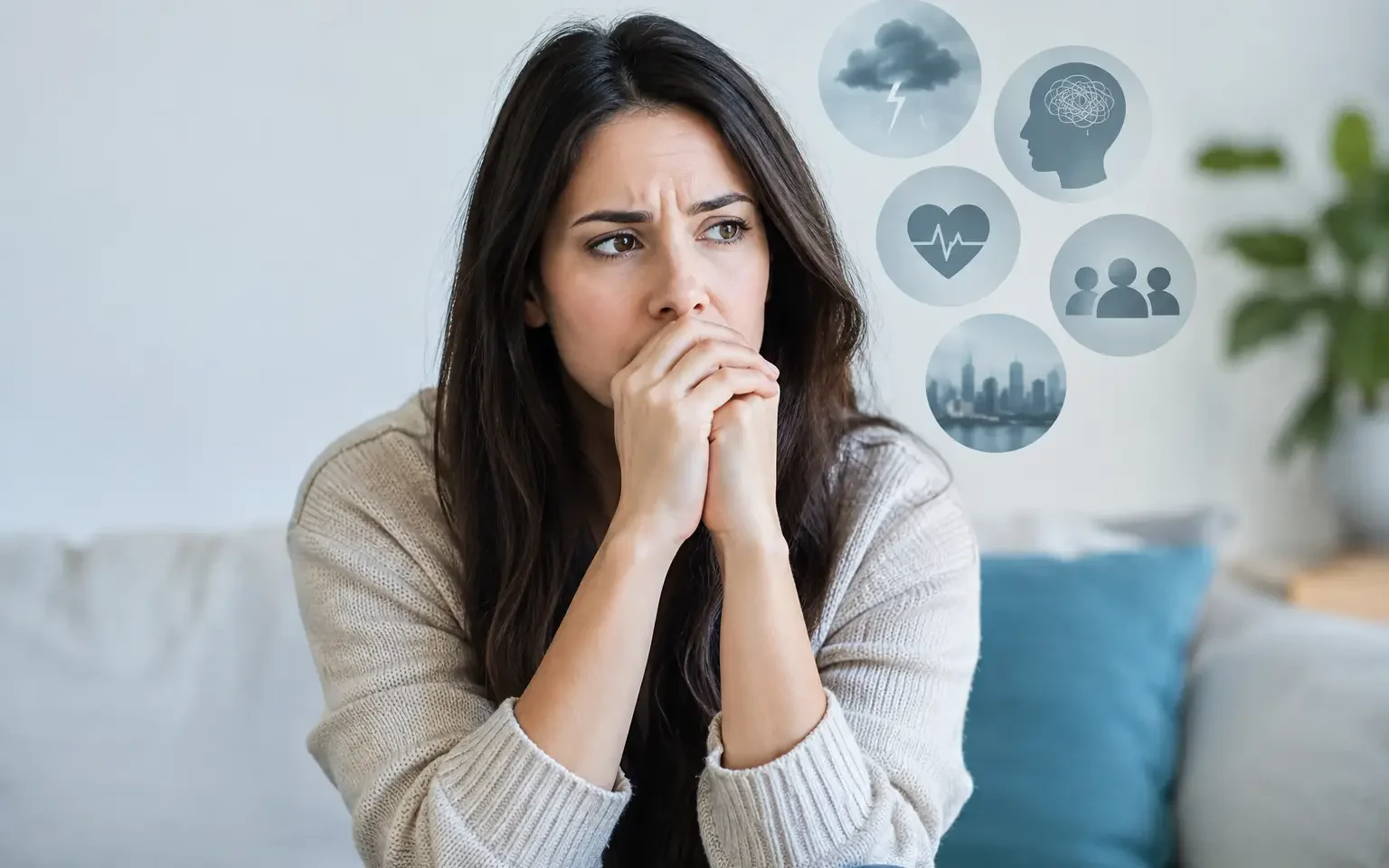
Panic disorder causes are usually interconnected
There is no test that can identify one definitive cause of panic disorder. For most people, it is more useful to think in terms of contributing factors and maintaining patterns. What started the problem may not be exactly what keeps it going now.
A sensitive alarm system
Some people are naturally more prone to anxiety. This can reflect inherited traits, temperament or differences in how the nervous system responds to stress. Having a family history of anxiety or panic can increase vulnerability, but it does not determine your future.
A sensitive alarm system can also make normal bodily changes more noticeable. A skipped heartbeat, light-headedness after standing up, warmth in a crowded room or a faster pulse after coffee may be interpreted as dangerous. Once the brain connects a sensation with threat, it can react quickly the next time that sensation appears.
Stress, pressure and major change
Panic often emerges during periods of prolonged strain rather than at the exact moment someone feels most stressed. A demanding role, poor sleep, financial pressure, relationship conflict, grief, illness, a new baby, relocation or caring responsibilities can leave the nervous system depleted.
For Sydney professionals, this may show up after months of deadlines, long commutes, constant availability and little opportunity to recover. Someone may appear to be managing well at work, then experience their first panic attack on a quiet weekend, on a flight or while sitting in traffic. That does not mean the attack came from nowhere. It may mean the body has been carrying too much for too long.
Fear of physical sensations
One of the most common factors in panic disorder is fear of the sensations of anxiety itself. A person feels their heart race, thinks, “Something is wrong with me”, becomes more frightened, and adrenaline rises further. The resulting sensations then seem to confirm the original fear.
This is sometimes called the panic cycle. The cycle can become powerful because the experience is so convincing. A person may know logically that they are probably safe, yet still feel certain they will faint, lose control, have a heart attack or embarrass themselves in public.
Difficult experiences and learned associations
Panic can also be connected to past trauma, a frightening health event, loss, bullying, a distressing relationship, or a period when a person felt trapped or powerless. The connection is not always obvious. The brain may associate a particular place, sensation, time of day or situation with danger without consciously explaining why.
For example, someone who had a panic attack in a supermarket may begin to fear supermarkets, queues or being far from an exit. Another person may panic during presentations after one highly stressful meeting. Avoidance brings short-term relief, which understandably makes it tempting to repeat. Over time, however, it teaches the brain that the situation was dangerous and keeps the fear alive.
Alcohol, caffeine, sleep and health factors
Lifestyle and physical health do not explain every case, but they can influence panic symptoms. High caffeine intake, energy drinks, alcohol withdrawal, recreational drugs, inconsistent meals, dehydration and ongoing sleep loss can all increase physical sensations that resemble anxiety.
Some medical conditions can also cause symptoms such as palpitations, breathlessness, dizziness or shaking. If panic-like symptoms are new, severe or changing, it is wise to speak with a GP for appropriate assessment. Seek urgent medical care for severe chest pain, fainting, new neurological symptoms or any symptoms that may be a medical emergency.
Why panic can continue after the original trigger has passed
The first panic attack is often frightening because it feels unexpected. After that, many people begin monitoring their body closely: “Is my breathing normal? What if it happens in the meeting? What if I cannot get out?” This heightened attention can make ordinary sensations feel stronger.
Safety behaviours can unintentionally maintain the cycle. Carrying water, always sitting near an exit, checking a heart rate, avoiding exercise, travelling only with someone else or leaving situations early may provide temporary reassurance. But if these become essential conditions for coping, confidence can shrink.
The goal is not to force yourself through overwhelming situations or pretend anxiety does not exist. It is to gradually build evidence that discomfort is manageable, sensations pass, and you can stay present without needing to escape.
Practical support focuses on the patterns you can change
Effective support for panic disorder usually combines clear understanding with skills practice. You may learn how adrenaline works, how to respond differently to catastrophic thoughts, and how to reduce the body-scanning and avoidance that keep panic active.
A tailored approach may also involve gradual exposure to feared sensations or situations. This is done carefully and collaboratively, not by throwing someone into the deep end. If lifts, enclosed spaces, driving, flying, public speaking or crowded places have become difficult, the work is paced around your goals and capacity.
It can also be useful to address the broader conditions around panic. Better sleep routines, realistic workload boundaries, reduced stimulant use, regular movement and strategies for handling conflict or uncertainty will not remove every anxious feeling. They can, however, lower your overall stress load and give your nervous system more opportunity to settle.
At Clear Day Consulting, support is focused on understanding the root patterns while building practical skills you can use in everyday life, relationships and work. The aim is not ongoing dependence on therapy. It is helping you develop clarity, confidence and a reliable way to respond when anxiety appears.
When to seek help
Consider seeking professional support if panic attacks are recurring, you are avoiding places or opportunities that matter to you, or fear of panic is taking up significant mental space. It is also worth getting help early if you are using alcohol, medication or other substances to get through situations that once felt manageable.
Panic disorder can feel isolating, particularly when you are used to being capable and high-functioning. But it is treatable, and progress does not require you to eliminate every sensation of anxiety. With the right support and steady practice, you can learn that an alarm is only an alarm, not a prediction of what will happen next.