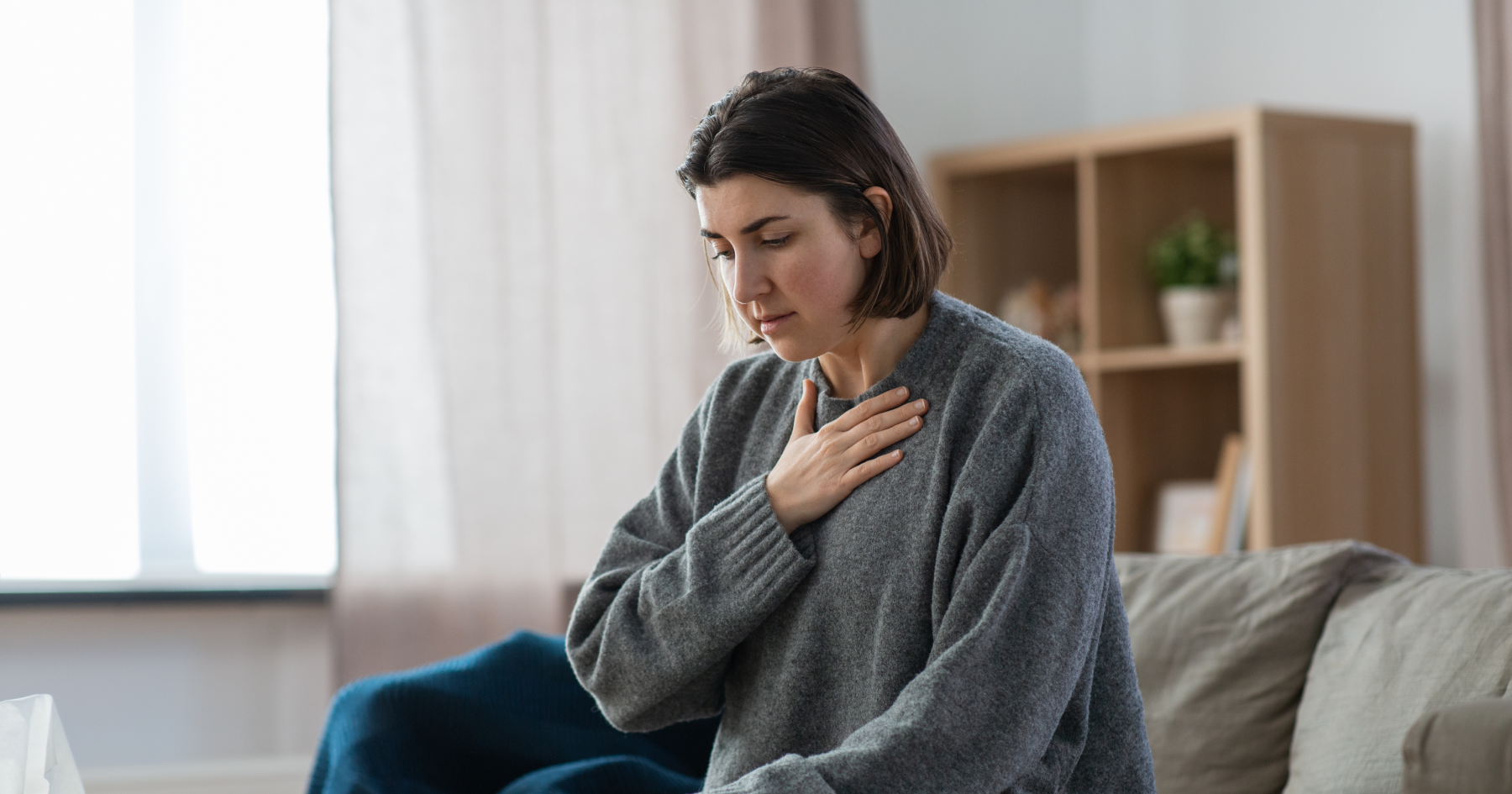
Panic Attack vs Anxiety Attack: What’s the Difference?
If you have searched for “panic attack vs anxiety attack” after a frightening episode, you are not alone. A panic attack is a recognised clinical term describing a sudden surge of intense fear or discomfort that peaks quickly. An “anxiety attack” is not a formal DSM-5 diagnosis, but many people use the phrase to describe a build-up of anxiety, stress or overwhelm that feels hard to control.
Both can feel deeply unsettling. Your heart may race. Your chest may tighten. Your thoughts may move faster than you can follow. The good news is that support is available, and learning the difference between panic attack and anxiety attack can help you understand what may be happening and decide what to do next.
This guide is educational only. It does not diagnose you or replace advice from a GP, psychologist, counsellor or registered mental health professional. If your symptoms are new, severe, include chest pain, or feel medically unsafe, seek urgent medical support.
Quick Answer: The Key Difference at a Glance
The simplest way to understand panic attack vs anxiety attack is this: panic attacks usually come on suddenly and peak quickly, while anxiety attacks often build up around ongoing worry, pressure or emotional stress.
| Feature | Panic Attack | Anxiety Attack |
| Clinical status | Recognised clinical term | Common phrase, not a formal DSM-5 diagnosis |
| Onset | Sudden, often unexpected | Usually builds gradually |
| Intensity | Often intense and physical | Can range from mild to intense |
| Duration | Often peaks within minutes | May last minutes, hours or longer |
| Triggers | Can happen with or without a clear trigger | Often linked to stress, worry, conflict or overwhelm |
| Common symptoms | Racing heart, sweating, shaking, breathlessness, dizziness, fear of losing control | Restlessness, tight chest, racing thoughts, irritability, tension, difficulty focusing |
| Main feeling | “Something is happening to my body right now” | “I cannot switch my mind off” |
Key takeaways
- Panic attack vs anxiety attack is a common search because the symptoms can overlap.
- A panic attack is sudden and often feels physically intense.
- An anxiety attack usually refers to anxiety that builds up and becomes overwhelming.
- Panic attack symptoms can feel like a medical emergency, especially when chest tightness or breathlessness appears.
- Anxiety attack symptoms often connect to ongoing worry, stress, burnout or emotional pressure.
- You do not need to manage this alone. A GP, counsellor or mental health professional can help you take the next step.
What Is a Panic Attack?
A panic attack is a sudden episode of intense fear or discomfort. It can happen during a stressful moment, but it can also appear when nothing obvious is happening. Some people experience panic while driving, sitting at work, resting at home or even waking from sleep.
Clinical descriptions of panic attacks often refer to a group of symptoms that rise quickly. These may include:
- Heart racing or pounding
- Sweating
- Trembling or shaking
- Shortness of breath
- Chest discomfort
- Nausea
- Feeling dizzy, light-headed or faint
- Chills or heat sensations
- Tingling or numbness
- Feeling detached from yourself or your surroundings
- Fear of losing control
- Fear that something terrible is happening
A panic attack itself is not the same as panic disorder. Panic disorder usually involves repeated unexpected panic attacks, along with ongoing worry about having another one or changes in behaviour because of that fear.
For many people, the scariest part is how physical it feels. Your body may act as if danger is present, even when there is no clear threat. This is part of the fight-or-flight response. Your system floods with alert signals, your breathing changes, your heart rate rises, and your body prepares to protect you.
That does not mean you are weak. It means your nervous system has gone into high alert.
What Is an Anxiety Attack?
“Anxiety attack” is a phrase many people use, but it is not a formal diagnosis in the DSM-5. It often describes a period where anxiety becomes so strong that it feels difficult to think, breathe, function or calm down.
An anxiety attack may happen after hours, days or weeks of pressure. You may notice it during a work deadline, relationship conflict, family stress, financial worry, study pressure, burnout or health concern.
Common anxiety attack symptoms can include:
- Racing thoughts
- Tight chest
- Shallow breathing
- Feeling restless or wound up
- Muscle tension
- Stomach discomfort
- Irritability
- Difficulty concentrating
- Feeling emotionally overwhelmed
- Trouble sleeping
- A strong urge to escape or avoid something
An anxiety attack can feel less sudden than a panic attack, but that does not make it less real. The emotional load can be heavy, especially if you have been carrying stress for a long time.
Many Australians experience anxiety. The Australian Bureau of Statistics reported that 17.2% of Australians aged 16 to 85 had a 12-month anxiety disorder in 2020–2022, and Beyond Blue notes that 1 in 4 people in Australia will experience anxiety at some stage in life.
Panic Attack vs Anxiety Attack: Symptoms Side-by-Side
Here is a clearer panic attack vs anxiety attack symptoms chart.
| Symptom | More common in panic attack | More common in anxiety attack |
| Sudden surge of fear | Yes | Sometimes |
| Racing heart | Yes | Yes |
| Breathlessness | Yes | Yes |
| Chest tightness | Yes | Yes |
| Sweating or shaking | Yes | Sometimes |
| Dizziness | Yes | Sometimes |
| Fear of dying or losing control | Often | Sometimes |
| Racing thoughts | Sometimes | Often |
| Ongoing worry | Sometimes | Often |
| Muscle tension | Sometimes | Often |
| Irritability | Less common | Common |
| Trouble sleeping | Can happen after | Common |
| Build-up over time | Less common | Common |
The overlap is why panic attack vs anxiety attack can be confusing. The difference is often found in the timing, intensity and trigger pattern.
A panic attack tends to arrive like a wave. An anxiety attack often feels like pressure rising until your mind and body reach a limit.
What Triggers Each One?
Panic attacks can be triggered by many things, including stress, trauma reminders, caffeine, lack of sleep, health fears, crowded places, conflict, intense exercise sensations or specific phobias. Some panic attacks seem to happen without a clear reason.
Anxiety attacks often connect to ongoing worry or emotional overload. Triggers may include:
- Work pressure
- Parenting stress
- Relationship tension
- Burnout
- Financial uncertainty
- Social pressure
- Health anxiety
- Major life changes
- Perfectionism
- Long periods without rest
Panic disorder vs generalised anxiety disorder is another useful distinction. Panic disorder centres on repeated panic attacks and fear of future attacks. Generalised anxiety often involves persistent worry across many areas of life, such as work, health, family, money or responsibilities.
You do not need to work this out alone. If patterns keep repeating, reach out to a GP or mental health professional. A clearer day often begins with having someone help you map what has been happening.
How Long Does a Panic Attack Last?
A panic attack often peaks within minutes. Some people feel the strongest symptoms for 5 to 20 minutes, while the after-effects may last longer. You may feel shaky, tired, teary or drained once the peak passes.
So, how long does a panic attack last? The intense part is often short, but your body may take time to settle.
An anxiety attack can last longer because it is usually tied to ongoing stress or worry. It may come in waves across an afternoon, a day or a longer period, especially if the trigger is still present.
If symptoms are new, severe, linked with chest pain, fainting, confusion, or you are worried something medical is happening, seek urgent medical help. Panic attack symptoms can resemble other health issues, and it is safer to get checked.
How to Tell Which One You’re Having
This simple self-check can help you notice patterns. It is not a diagnosis.
Ask yourself:
- Did it come on suddenly, almost out of nowhere?
If yes, it may be closer to a panic attack. - Did the feeling build after stress, worry or pressure?
If yes, it may be closer to what people call an anxiety attack. - Are the physical symptoms the strongest part?
A racing heart, shaking, dizziness or breathlessness may point towards panic. - Are the thoughts the hardest part?
Constant worry, overthinking or dread may point towards anxiety. - Are you avoiding places, tasks or situations because you fear it will happen again?
This is a sign to seek support, especially if daily life is becoming smaller.
You may also experience both. Anxiety can build for weeks and then tip into a panic attack. Panic attacks can then create more anxiety because you start worrying about the next one.
How to Manage a Panic Attack in the Moment
The goal is not to fight the panic. Fighting it can sometimes make your body feel even more threatened. Try to remind yourself that this is a surge of fear and discomfort, and it will pass.
Try paced breathing
Breathe in gently through your nose for 4 seconds. Hold for 2 seconds if that feels comfortable. Breathe out slowly for 6 seconds. Repeat for a few rounds.
Do not force deep breaths if that makes you feel worse. Gentle, steady breathing is enough.
Use the 5-4-3-2-1 grounding technique
Name:
- 5 things you can see
- 4 things you can feel
- 3 things you can hear
- 2 things you can smell
- 1 thing you can taste
Grounding techniques help bring your attention back to the present, especially when your mind is racing ahead.
Loosen your body
Drop your shoulders. Unclench your jaw. Place both feet on the floor. Press your toes gently into your shoes or the ground. This can remind your body that you are here, now.
Use a steady sentence
Choose one sentence and repeat it slowly.
“I am having a panic response. It feels frightening, but it will pass.”
This is not about pretending everything is fine. It is about giving your brain a calm signal while your body settles.
How to Calm an Anxiety Attack
Anxiety often needs a slightly different approach because it may be linked to thoughts, pressure and ongoing stress.
Name the worry
Write down the thought in one plain sentence.
“I am worried I will fail.”
“I am worried I cannot cope.”
“I am worried something bad will happen.”
Seeing the worry on paper can create space between you and the thought.
Separate facts from fear
Ask yourself:
- What do I know for sure?
- What am I predicting?
- What would I say to a friend in this situation?
- What is one practical step I can take today?
This is a simple CBT-based approach. It helps you move from anxious spiralling into clearer thinking.
Reduce the next step
Anxiety loves big, vague problems. Make the next step small.
Instead of “I need to fix everything”, try “I will send one email”, “I will drink water”, “I will book the appointment”, or “I will step outside for two minutes.”
Create a calming routine
Longer-term coping strategies may include regular sleep, reduced caffeine, movement, journalling, therapy, boundaries, breathing practice and professional support. Evidence-based support such as CBT can be helpful for many people experiencing anxiety.
When to Seek Professional Support
You may benefit from support if:
- Panic attacks keep happening
- You worry often about another attack
- Anxiety is affecting work, sleep, relationships or daily tasks
- You avoid normal activities because of fear
- You rely on alcohol, substances or constant distraction to cope
- You feel emotionally exhausted
- You are unsure whether symptoms are anxiety or something medical
A GP can help rule out physical causes and discuss referral options. A counsellor, psychologist or mental health professional can help you recognise patterns, learn coping strategies and build practical tools for daily life.
At Clear Day Consulting, the focus is warm, practical and judgement-free. If anxiety or panic is making everyday life harder, book a free 15-minute clarity call. We’re here to help you have a clearer day.
FAQs
1. What does a panic attack feel like?
A panic attack can feel like a sudden rush of fear through your body. Your heart may race, your breathing may change, your chest may feel tight, and you may feel dizzy, shaky or detached. Some people fear they are losing control. If the symptoms are new or feel medically concerning, seek medical advice.
2. Can you have a panic attack while sleeping?
Yes, some people experience panic attacks during sleep. They may wake suddenly with a racing heart, sweating, breathlessness or fear. If this happens often, speak with a GP or mental health professional.
3. How long does an anxiety attack last?
An anxiety attack can last minutes, hours or longer, depending on the trigger and the person. Since “anxiety attack” is not a formal diagnosis, duration can vary. Anxiety linked to ongoing stress may come in waves.
4. Can anxiety attacks cause chest pain?
Anxiety can cause chest tightness or discomfort, but chest pain should be taken seriously. If you have chest pain, shortness of breath, fainting, pain spreading to your arm or jaw, or you feel unsafe, call emergency services or seek urgent medical care.
5. Are panic attacks dangerous?
Panic attacks are frightening and uncomfortable. The panic response itself often passes, but the symptoms can feel intense. Since panic symptoms can look similar to medical conditions, it is wise to speak with a GP, especially if symptoms are new, severe or changing.
6. How can I help someone having a panic attack?
Stay calm. Speak slowly. Ask what they need. Encourage gentle breathing or grounding, but do not pressure them. You can say, “I’m here with you. This will pass.” If they have chest pain, faint, seem confused, or you are worried about their safety, seek urgent help.
7. What is the difference between panic disorder and generalised anxiety?
Panic disorder usually involves repeated panic attacks and ongoing fear about having more. Generalised anxiety involves persistent worry across different parts of life. A qualified professional can help you understand what fits your experience.
8. How do I stop a panic attack quickly?
You may not be able to stop it instantly, but you can help your body settle. Try slow breathing, grounding techniques, relaxing your shoulders, placing your feet on the floor and repeating a steady phrase such as, “This is panic. It will pass.”
Sensitive Support Information
If you are in immediate danger or worried you may harm yourself, call 000.
If you are distressed and need to speak with someone now, support is available in Australia:
- Lifeline: 13 11 14
- Beyond Blue: 1300 22 4636
- 13YARN: 13 92 76 for Aboriginal and Torres Strait Islander people seeking culturally safe crisis support
You’re not alone. Reaching out early can make the next step feel less heavy.
Take the Next Step Toward a Clearer Day
Panic and anxiety can make everyday life feel smaller, sharper and harder to manage. You do not need to wait until things feel unbearable before seeking support.
If anxiety or panic is making everyday life harder, book a free 15-minute clarity call with Clear Day Consulting. We’re here to help you understand what is happening, learn practical coping strategies and move towards a clearer day.