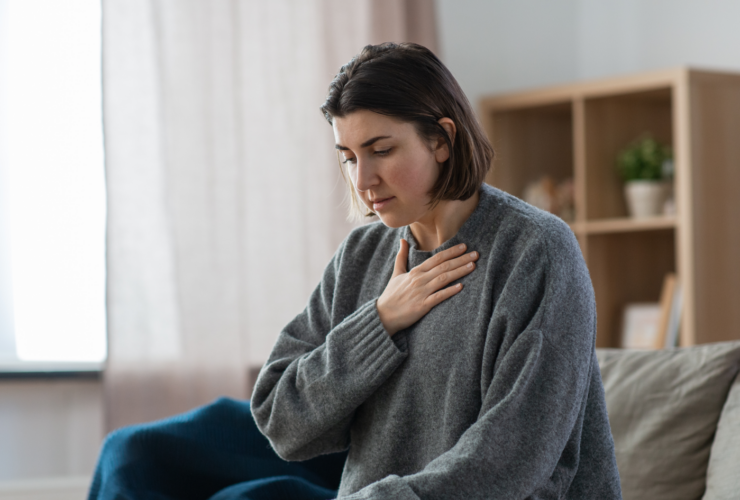
The Difference Between Stress and Anxiety (And Why It Matters)
The difference between stress and anxiety can feel unclear when your body is tense, your sleep is broken and your mind will not switch off. Stress is usually your response to a clear external pressure, such as work, money, family demands or a deadline. Anxiety is more likely to feel like persistent worry or fear that continues even when the pressure has eased, or when there is no obvious threat in front of you.
People often use “stressed” and “anxious” to describe the same feeling. That makes sense. Both can affect your breathing, mood, body, concentration and ability to cope with the day. The difference matters because everyday stress, chronic stress and anxiety may need different kinds of support.
This guide is educational only. It does not diagnose you or replace advice from a GP, counsellor, psychologist or registered mental health professional. If stress or anxiety is starting to weigh you down, support is available, and you do not have to wait until you are at breaking point to reach out.
Quick Answer: Stress vs Anxiety at a Glance
Here is the simple version of the difference between stress and anxiety.
| Feature | Stress | Anxiety |
| Main cause | Usually linked to an external trigger | May continue without a clear trigger |
| Duration | Often eases when the pressure passes | Can persist even after the situation changes |
| Common feeling | “There is too much on my plate” | “Something feels wrong, and I cannot settle” |
| Physical signs | Headaches, muscle tension, fatigue, upset stomach, sleep changes | Racing heart, tight chest, restlessness, trembling, nausea, sleep trouble |
| Thought pattern | Focused on a current problem | Often future-focused, repetitive or hard to control |
| Recovery | May improve with rest, boundaries and practical changes | May need coping tools, CBT-based support or professional guidance |
| When to seek help | When stress feels constant or affects daily life | When worry feels hard to control or starts limiting your life |
Key Takeaways
- Stress and anxiety can feel similar, but they are not always the same.
- Stress usually has a clear pressure point.
- Anxiety can stay even when the pressure has passed.
- Chronic stress can increase the chance of anxiety symptoms over time.
- Physical symptoms of stress and anxiety can overlap.
- You’re not alone. Mental health support Australia-wide is available.
- A clearer day can start with one practical next step.
What Is Stress?
Stress is your mind and body responding to pressure. It can come from work, relationships, money, parenting, study, health worries, grief, caring responsibilities or big life changes.
Some stress can be short-term and useful. It can help you focus before a presentation, meet a deadline or respond quickly in a difficult moment. Your nervous system becomes alert. Your body releases stress hormones such as adrenaline and cortisol. Your heart rate may rise, your muscles may tighten and your attention may sharpen.
That response is meant to help you act.
The problem begins when stress does not switch off.
Common Types of Stress
Acute stress
This is short-term stress linked to a specific situation. You may feel it before a meeting, an exam, a hard conversation or a busy day. Once the moment passes, your body usually settles.
Episodic acute stress
This happens when short-term stress keeps repeating. You may always feel rushed, behind or under pressure. Life can start to feel like one urgent task after another.
Chronic stress
This is stress that stays for weeks, months or longer. It can come from an ongoing workload, financial pressure, relationship conflict, long-term caring demands or feeling trapped in a situation you cannot easily change.
Chronic stress can affect sleep, mood, digestion, energy, concentration and emotional regulation. You may still be functioning, but it can feel like you are running on fumes.
What Is Anxiety?
Anxiety is a state of worry, fear or unease. It can happen before a real event, during uncertainty, or without one clear reason.
A little anxiety is part of being human. You may feel anxious before an interview, a medical appointment or a major decision. That does not mean something is wrong with you.
Anxiety becomes more concerning when it is frequent, intense, hard to control or starts changing how you live. You might avoid calls, meetings, social plans, driving, decisions or anything that could trigger the feeling again.
Symptoms of anxiety can include:
- Persistent worry
- Restlessness
- Racing thoughts
- Tight chest
- Fast heartbeat
- Shallow breathing
- Trouble concentrating
- Irritability
- Sleep problems
- Nausea or stomach discomfort
- Feeling on edge
- Avoiding situations because of fear
Anxiety disorders are clinical conditions that need assessment by a qualified professional. You should not have to label yourself to ask for help. If your worry is affecting your life, that is enough reason to speak with someone.
Stress vs Anxiety: Symptoms Side-by-Side
The signs of stress vs anxiety can overlap, which is why many people feel confused.
| Symptom | More common with stress | More common with anxiety |
| Feeling overloaded | Yes | Sometimes |
| Worry about future events | Sometimes | Yes |
| Muscle tension | Yes | Yes |
| Headaches | Yes | Sometimes |
| Upset stomach | Yes | Yes |
| Racing heart | Sometimes | Yes |
| Restlessness | Sometimes | Yes |
| Irritability | Yes | Yes |
| Trouble sleeping | Yes | Yes |
| Avoidance | Sometimes | Often |
| Fear without clear reason | Less common | More common |
| Trouble switching off | Yes | Yes |
The key difference between stress and anxiety is not one single symptom. It is the pattern.
If you can point to the pressure and your symptoms ease when that pressure reduces, stress may be the main issue. If the worry stays, spreads or feels bigger than the situation, anxiety may be playing a stronger role.
Why the Difference Matters
Understanding the difference between stress and anxiety helps you choose the right kind of support.
If your main issue is stress, the next step may involve practical changes. You might need fewer demands, clearer boundaries, better rest, workload support, financial guidance, more realistic planning or help with responsibilities.
If anxiety is the main issue, support may focus more on thought patterns, nervous system regulation, exposure to avoided situations, grounding techniques, CBT-based tools or professional counselling.
Both deserve attention. Neither means you are failing.
The risk with ignoring the difference is that you may keep applying the wrong solution. A holiday may help with stress, but it may not resolve anxiety that returns as soon as you are back. A breathing technique may calm your body in the moment, but it may not fix a work situation that is genuinely unsustainable.
Good support looks at the full picture.
When Stress Becomes Anxiety: The Tipping Point
Stress can become more serious when your body stays in high-alert mode for too long.
Your stress response is designed for short bursts. When pressure continues, your nervous system may not get enough time to reset. Cortisol and adrenaline can stay elevated. Sleep may become lighter. Your patience may shorten. Your thoughts may become more threat-focused.
This can make everyday situations feel harder to handle.
The tipping point can look like:
- You cannot relax even when nothing urgent is happening.
- You keep imagining worst-case outcomes.
- You feel physically tense most days.
- You avoid things you used to manage.
- You wake up already worried.
- You feel emotionally flat, snappy or constantly alert.
- You need more effort to do normal tasks.
This does not mean stress always turns into anxiety. It means prolonged unmanaged stress can create the conditions where anxiety has more room to grow.
Common Causes and Triggers Compared
Stress often has a practical trigger. Anxiety may have a trigger too, but it can also continue after the trigger has passed.
Common stress triggers
- Heavy workload
- Financial pressure
- Family responsibilities
- Relationship tension
- Study deadlines
- Moving house
- Health concerns
- Lack of sleep
- Too many competing demands
- Feeling under-supported
Common anxiety triggers
- Uncertainty
- Fear of failure
- Health worries
- Social pressure
- Conflict
- Past stressful experiences
- Major change
- Perfectionism
- Avoidance patterns
- Ongoing burnout
Stress, anxiety and burnout can also overlap. Burnout often comes from prolonged pressure, especially work-related or responsibility-related exhaustion. You may feel detached, drained, cynical or unable to recover properly.
How Long Does Each One Last?
Stress often lasts as long as the pressure lasts. You may feel stressed during a difficult week, then start to recover once the workload, event or situation passes.
Chronic stress lasts longer. It may continue for months if the source of pressure remains unresolved.
Anxiety can last even when the trigger has gone. You may finish the meeting but keep replaying what you said. You may pay the bill but keep worrying about money. You may get reassurance from someone but still feel uneasy.
That lingering quality is one of the clearest signs of anxiety.
5 Questions to Help You Tell the Difference
Use this self-check as a starting point. It is not a diagnosis.
- Can I name the main pressure causing this feeling?
If yes, stress may be a big part of it. - Does the feeling ease when the pressure reduces?
If yes, it may be stress. If no, anxiety may be present. - Am I worrying about things that have not happened yet?
Future-focused worry often points towards anxiety. - Am I avoiding normal tasks, places or conversations because of fear?
Avoidance can be a sign anxiety is affecting daily life. - Has this been happening most days for weeks or longer?
Ongoing symptoms are a good reason to reach out for support.
You do not need a perfect answer before asking for help. If you feel stuck, overwhelmed or unsure, that is enough.
How to Manage Everyday Stress
Everyday stress often responds well to practical, body-based and routine-based strategies.
Create a smaller next step
Stress can feel worse when everything sits in your head at once. Write down the main pressure, then choose one action you can take today. Keep it small enough that you can start.
Use time-blocking
Give tasks a defined space in your day. This helps reduce the feeling that every demand is chasing you at once. Include breaks, travel time, meals and rest, not just work.
Move your body gently
A short walk, stretching or light movement can help your nervous system release some of the stress response. This does not need to be intense.
Protect one reset point
Choose one part of the day where you stop adding input. This might be 20 minutes without email, a quiet lunch, a walk after work or a phone-free bedtime routine.
Ask what can change
Stress is not always solved by coping harder. Sometimes the real question is, “What demand needs to reduce?” This might mean asking for help, renegotiating a deadline or being honest about your limits.
How to Calm Anxiety
Anxiety often needs tools that help your body settle and your thoughts slow down.
Try box breathing
Breathe in for 4 seconds. Hold for 4 seconds. Breathe out for 4 seconds. Hold for 4 seconds. Repeat gently.
If holding your breath feels uncomfortable, skip the hold and focus on a slow exhale.
Use the 5-4-3-2-1 grounding technique
Name:
- 5 things you can see
- 4 things you can feel
- 3 things you can hear
- 2 things you can smell
- 1 thing you can taste
Grounding techniques can help bring your mind back to the present when worry pulls you into future fear.
Write the thought down
Try this format:
“The thought I am having is…”
This creates a little distance between you and the worry. You are not denying the thought. You are recognising it as a thought, not a fact.
Ask a CBT-style question
Try one of these:
- What evidence supports this worry?
- What evidence does not support it?
- What is the most balanced view?
- What would I say to someone I care about?
- What action would help me feel 5% steadier?
Anxiety usually wants certainty. Life rarely gives complete certainty. The goal is to build enough steadiness to take the next step.
When to Seek Professional Support
It may be time to seek support if:
- Stress or anxiety is affecting your sleep.
- You feel tense, irritable or overwhelmed most days.
- You are avoiding things you need or want to do.
- Your worry feels hard to control.
- You have physical symptoms that worry you.
- You feel close to burnout.
- You are using alcohol, food, scrolling or other habits to numb the feeling.
- You feel like you cannot keep going this way.
A GP can help check whether physical symptoms may have a medical cause. A counsellor, psychologist or mental health professional can help you understand your patterns and build coping strategies that fit your life.
At Clear Day Consulting, support is practical, warm and judgement-free. You do not need to arrive with the right words. You can simply start with, “I think I need help understanding what is happening.”
FAQs
Can stress cause anxiety?
Yes, prolonged stress can contribute to anxiety symptoms. When your body stays under pressure for too long, your nervous system may become more alert and reactive. This can make worry harder to switch off.
Is anxiety just bad stress?
No. Stress is usually linked to a clear pressure or demand. Anxiety can continue even when the pressure has passed, or appear without a clear trigger. They can overlap, but they are not always the same.
How do I know if I have anxiety disorder vs stress?
You cannot diagnose this on your own from a blog. A helpful sign is whether worry feels persistent, hard to control or is affecting your daily life. If you are unsure, speak with a GP or registered mental health professional.
What are the physical symptoms of stress and anxiety?
Physical symptoms of stress and anxiety can include muscle tension, headaches, fatigue, stomach discomfort, tight chest, racing heart, shallow breathing, sweating, trembling and sleep problems. If symptoms are new, severe or worrying, seek medical advice.
How long does stress last vs anxiety?
Stress often eases when the trigger reduces or passes. Anxiety may continue after the situation has changed. Chronic stress can last for weeks or months when pressure remains unresolved.
Can stress and anxiety happen together?
Yes. Many people experience stress and anxiety at the same time. A stressful situation can trigger anxious thoughts, and anxiety can make stressful situations feel harder to manage.
What is the difference between stress, anxiety and burnout?
Stress is the response to pressure. Anxiety is persistent worry or fear. Burnout is a state of ongoing exhaustion often linked to prolonged stress, especially from work or heavy responsibilities.
What should I do if I feel overwhelmed every day?
Start by speaking with someone you trust, then consider booking an appointment with your GP or a mental health professional. If you feel unsafe or at risk of harming yourself, call 000 or contact a crisis support service immediately.
Sensitive Support Information
If you are in immediate danger or worried you may harm yourself, call 000.
If you are distressed and need to speak with someone now, support is available in Australia:
- Lifeline: 13 11 14
- Beyond Blue: 1300 22 4636
- 13YARN: 13 92 76 for Aboriginal and Torres Strait Islander people seeking culturally safe crisis support
You’re not alone. Support is available, even if you are not sure what to call what you are feeling.
Take the Next Step Toward a Clearer Day
The difference between stress and anxiety is not about finding the perfect label. It is about understanding what your mind and body are asking for.
If stress or anxiety is starting to weigh you down, book a free 15-minute clarity call with Clear Day Consulting. We’re here to help you have a clearer day.